The military provides family housing two ways. Families can move into on-base units where BAH goes directly to the provider, or take BAH as cash and rent or buy off-base instead. Which path you actually get depends on your rank, your dependents, and how full the installation is when your orders land.
For most families, the second option ends up being the reality. On-base housing has limited spots, and depending on where you’re headed, the waitlist alone can eat months of your PCS timeline.
Talk to MilHousing Network about bridging the gap with an off-base rental.
The Two Paths, Side by Side
Military housing splits into on-base units and off-base BAH-supported living. Neither one is automatically better. They just work differently, and knowing which one fits your family’s situation before orders drop saves a lot of stress later.
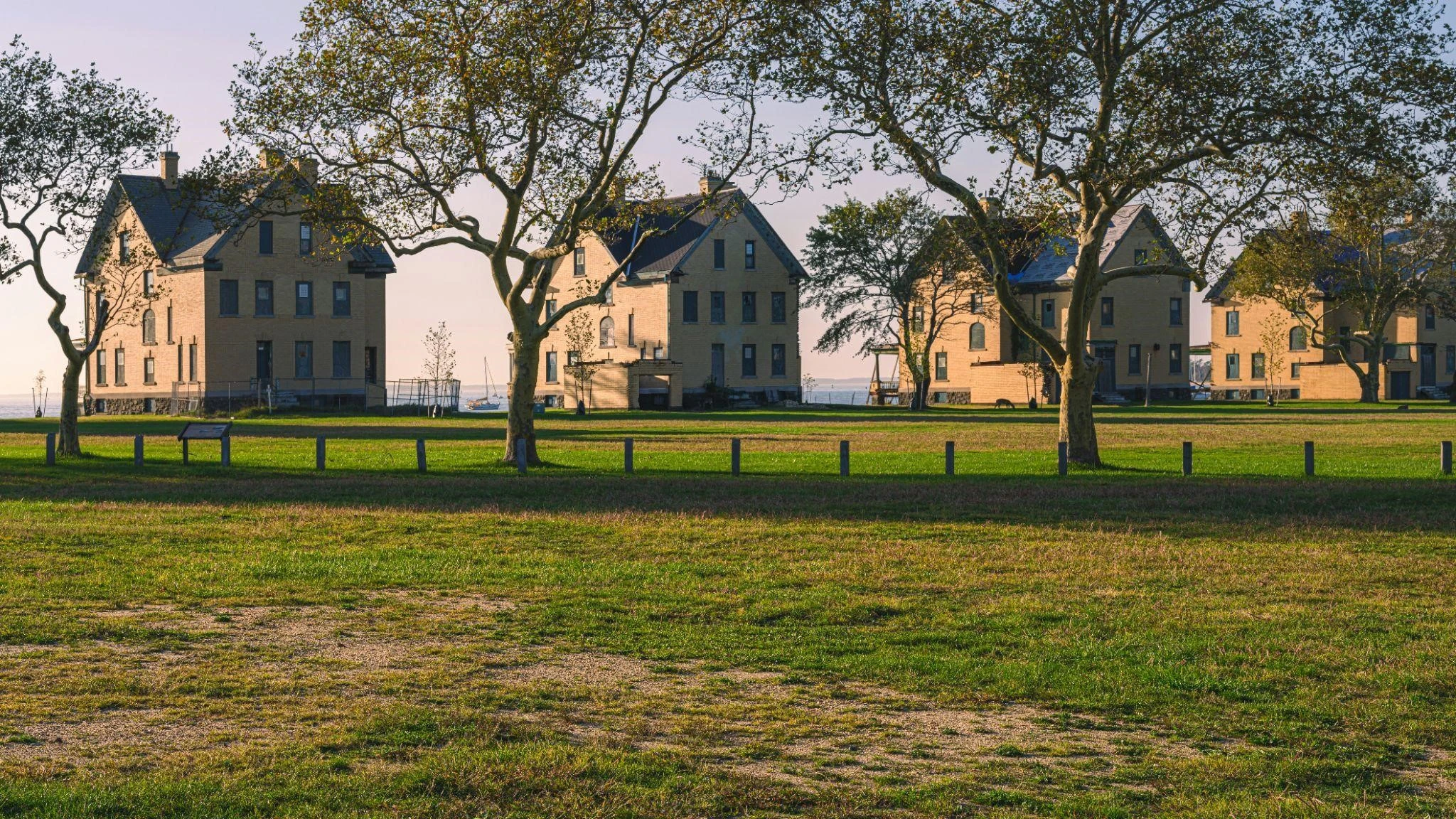
On-base housing comes through Residential Housing Units, ranging from two-bedroom apartments for junior enlisted families to four-bedroom homes for senior officers. Most of these communities are managed by private companies now, a shift that started with the Military Housing Privatization Initiative back in 1996. You don’t pay rent directly. Your BAH gets routed straight to the housing provider instead.
Off-base housing means BAH lands in your bank account and you handle rent or a mortgage yourself. This is where most families end up, and it gives you far more control over the neighborhood, the school district, and the type of home you want.
| Housing Type | How Payment Works | Best For |
| On-base housing | BAH goes directly to provider | Families wanting simplicity, no waitlist patience needed |
| Off-base housing | BAH deposited to you, you pay rent or mortgage | Families wanting choice in location and home style |
Renting off-base right now? Compare current listings near your next duty station before your report date.
What Determines Whether You Get On-Base Housing
Eligibility comes down to an eight-level priority system, and where you land on that list shapes your entire timeline. Families with command sponsorship and PCS orders showing a 12-plus month assignment sit at Priority 1, and they’re usually housed within three months. Drop down to Priority 8, which covers everyone else eligible, and waits can stretch past a year.
That range is enormous, and it’s exactly why waiting until you arrive at your new duty station to start the process is a mistake. Apply the moment you have orders in hand.
How Much Will This Actually Cost You
If you’re on-base, nothing comes out of pocket. BAH covers it entirely.
If you’re off-base, your BAH is calculated using three things only, your rank, whether you have dependents, and the zip code of your duty station. Location swings that number wildly. A Staff Sergeant with dependents stationed in San Francisco pulls in over $4,500 a month. The same rank at Fort Hood gets under $1,600. Neither is wrong. They just reflect two very different housing markets.
One protection worth knowing about, since it directly affects your monthly budget. The Tenant Bill of Rights, passed in 2020, caps what privatized housing companies can charge at your BAH rate. They cannot legally bill you more than your allowance, even if market rents in that area run higher.
On-base waitlist stretching past three months? Talk to MilHousing Network about off-base options in the meantime.
What If There’s No Room On-Base
If on-base housing isn’t available, or you’d simply rather not wait, BAH gives you full flexibility to rent or buy on the civilian market. Families stationed overseas get a slightly different version of this called Overseas Housing Allowance, which reimburses your actual rent up to a set ceiling rather than handing you a flat monthly rate.
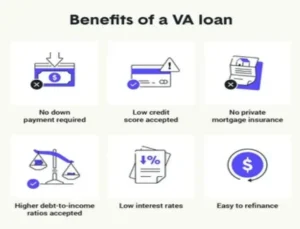
Buying comes with its own considerations. VA loans let qualified service members put zero down, which is a real advantage. But military life means frequent moves, and a family stationed somewhere for only two or three years can run into trouble trying to sell before the next assignment. Military OneSource recommends thinking through your realistic assignment length before committing to a purchase.
Should I rent, buy, or wait for on-base housing? Quick decision guide.
| Your Situation | Consider This |
| Assignment under 3 years | Renting off-base gives you flexibility to leave without selling |
| Assignment 3+ years, stable location | Buying with a VA loan may build equity worth the commitment |
| High-demand installation, long waitlist | Off-base BAH housing while you wait avoids delays |
| Need simplicity, no home search | On-base housing removes shopping and lease negotiation |
How to Actually Apply
Contact your installation housing office as soon as your orders come through. Most branches now run this online. The Army uses ArmyHousing.com, Navy families go through their regional Community Navy Installations Command site, and Air Force and Marine Corps installations run their own base-specific systems, all linked through Military OneSource.
You’ll need PCS orders showing at least a 12-month assignment, marriage certificates if applicable, and birth certificates for every dependent. Bringing pets? Have vaccination records ready, most installations cap it at two pets with weight limits between 40 and 100 pounds depending on the housing type.
Processing typically takes two to four weeks once your paperwork is complete. Missing documents can add another two weeks on top of that, so double-check everything before you submit.
What Should I Do Next
Start by contacting your gaining installation’s housing office the moment you have orders in hand, not after you arrive. Ask directly about current wait times for your priority level, since that single number tells you whether on-base housing is even realistic for your timeline.
While you wait for a response, pull your BAH rate for your new duty station zip code. That number becomes your budget ceiling for off-base options, and having it ready means you can start looking at neighborhoods immediately instead of losing weeks to guesswork.
If the waitlist looks long, don’t sit on it hoping it clears. Start your off-base search in parallel. You can always cancel the on-base application later if a good rental or home comes along first.
Common Questions About Military Family Housing
Do military families pay for housing? On-base families pay nothing directly, since their BAH goes straight to the housing provider. Off-base families use their BAH to cover rent or a mortgage themselves.
Can I turn down on-base housing? Yes. You can decline and use your BAH for off-base living instead, though this may affect your priority status if you reapply at the same installation later.
What happens to BAH during deployment? It continues as long as you maintain a dependent household. Single service members without dependents can lose BAH eligibility during deployments over 30 days unless they’re maintaining a civilian residence with an ongoing lease.
Are utilities included in on-base housing? Usually yes, water, electricity, gas, and trash are typically bundled into your BAH-covered shelter charge. Some communities do charge extra once usage passes a baseline threshold, which shows up most often during high air conditioning months.
Choose By Situation
Waitlist for on-base housing? Talk to MilHousing Network about bridging the gap with an off-base rental.
Ready to buy instead of rent? See what your BAH and VA loan can get you at your new duty station.
Just starting your PCS research? Get matched with a local expert who already knows your next installation, free for military families.