
Ask ten military families whether housing is free and you will get ten different answers, and most of them will be at least partly wrong. The truth sits somewhere between “completely free” and “you’re paying full price like everyone else,” and where your family lands on that spectrum depends entirely on your rank, your dependents, and which of five very different paths you choose.
Military housing is free only for single junior enlisted members living in the barracks. For everyone else, the government covers most housing costs through your Basic Allowance for Housing, but BAH is designed to cover roughly 95% of median local costs, not all of it. That 5% gap, plus move-in costs BAH does not touch, is where most families get caught off guard during a PCS.
Understanding which category you fall into, and what that category actually costs your family each month, changes how you plan your entire move.
The One Housing Situation That’s Genuinely Free
If you are single and E-1 through E-4, your housing really is free in the way most people mean that word. No rent, no utility bills, no BAH paid out to you either. Barracks housing costs nothing for the members assigned there, and the trade-off is straightforward: less privacy, mandatory inspections, and no say in who lives next door.
There’s a real upside buried in that trade-off, though. Since you receive no BAH, your total compensation looks smaller on paper than a peer who lives off base and pockets their BAH surplus. But your entire basic pay stays available for savings or debt payoff, which means barracks living can accelerate financial goals faster than any other housing path during your first few years in.
Everyone Else Is Working With BAH, Just Differently
Once you’re off the barracks track, whether that’s because you have dependents, you’ve been promoted past the barracks requirement, or you simply prefer more independence, you’re dealing with BAH in one of four ways. Each one changes your monthly budget in a genuinely different way, even though none of them leaves you paying full market rate out of pocket.
On-base family housing is maintained directly by the Department of Defense, and your full BAH goes to the housing office instead of your bank account. You never see that money as cash, and you never pay a separate rent bill either. Housing quality varies significantly by installation, some have newer stock that rivals anything in the local rental market, others carry maintenance backlogs that frustrate families for months. Waitlists at popular duty stations can run from several weeks to well over six months, which matters enormously at PCS time when you need somewhere to live now, not eventually.
Privatized on-base housing works similarly but through a private company rather than DoD directly. The Military Housing Privatization Initiative transferred most on-base family housing to companies including Lincoln Military Housing, Balfour Beatty, and Corvias, who manage the housing under long-term contracts while your BAH goes to them as rent. This is worth researching before you commit. Congressional investigations beginning in 2019 documented widespread complaints about mold, pest infestations, and delayed repairs at MHPI properties, and the Senate Armed Services Committee has continued oversight of the program since. Knowing which company manages housing at your next duty station and reading current resident reviews before you sign anything is worth the twenty minutes it takes.
Renting off base gives you the most flexibility of any option, on neighborhood, school district, commute, and home style, and it’s the right call for most families expecting a tour under two years. Your BAH arrives as tax-free income, and if your total housing costs land under that rate, you keep the difference. If they exceed it, the shortfall comes from other income. One protection worth knowing here: the Servicemembers Civil Relief Act lets you terminate a lease early without penalty when you receive PCS orders or deploy for 90 or more days. Landlords are legally required to honor this once you provide written notice and a copy of your orders, so don’t let a lease term scare you away from a place you actually want.
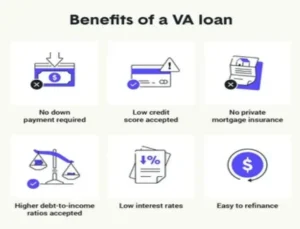
Buying with BAH toward a mortgage makes the most sense for members staying three or more years, or with strong reason to expect a return to the same location. Lenders often gross up BAH by 15 to 25 percent in mortgage calculations since it’s tax-free, and paired with VA loan benefits including no down payment and no private mortgage insurance, homeownership becomes genuinely accessible for many military families who assume it’s out of reach. The honest complexity is what happens if orders arrive 18 months later. You’re then selling in whatever market exists at that moment or managing the property as a long-distance landlord, which is why the three-year mark tends to be the real dividing line.
What Should I Do Next?
If you are single and E-1 through E-4, your housing is already handled. No action needed beyond standard check-in at your new duty station.
If your tour is under two years, start researching off-base rentals with the SCRA military clause built into your lease before you sign anything.
If your tour is three or more years, or you expect to return to this location, request a BAH breakdown for your specific pay grade and compare it against local mortgage payments before you commit to renting.
If you’re already on an on-base waitlist and it’s stretched past three months, start a parallel off-base search now rather than waiting it out.
Rent, Buy, or On-Base? Quick Reference
| Your Situation | Best Fit |
| Tour under 2 years | Off-base rental |
| Tour 3+ years, expect to return | Buy with VA loan |
| Want zero housing management | On-base family housing |
| Single, E-1 through E-4 | Barracks |
| Waitlist past 3 months | Start off-base search now |
The Costs Nobody Warns You About
BAH does not cover security deposits, which typically run one to two months of rent in competitive markets. It doesn’t cover utility deposits, which utility companies often require when you have no local payment history. Pet deposits and monthly pet rent aren’t included if your family travels with animals, and renters insurance, while not technically mandatory everywhere, is smart to carry and often required by lenders anyway. Some markets also expect first and last month’s rent at signing, on top of the deposit.
None of these costs are hidden exactly, they’re just easy to forget when you’re focused on the monthly BAH number. Budgeting for them before you PCS, rather than discovering them at the lease signing table, saves a genuinely stressful week.
According to the Department of Defense BAH program, rates are set annually using three factors: your duty station ZIP code, your pay grade, and your dependency status. You can look up your specific rate before you start apartment hunting, which is worth doing before you fall in love with a place that’s out of range.
A Few Questions That Come Up Constantly
Does BAH go up if my rent is higher than the standard rate?
No. Your BAH rate is fixed by pay grade, dependency status, and duty station ZIP code, and it stays the same regardless of what you personally pay. If your rent exceeds your BAH, you cover the difference from other income.
What happens to my BAH during deployment?
If you maintain a home for dependents while deployed, you continue receiving BAH at the with-dependents rate for your permanent duty station. The Defense Finance and Accounting Service provides specific guidance on BAH entitlements during deployment based on individual circumstances, so it’s worth confirming your exact situation with them directly.
Is on-base housing always better for families with kids?
Not automatically, and this surprises a lot of first-time PCS families. On-base housing puts you close to base schools, childcare, and family support programs, while off-base housing opens a wider range of school districts that might genuinely fit your kids better. The right answer depends on local school quality, your priorities around community versus independence, and practical factors like your spouse’s employment situation.
If Something Goes Wrong
Maintenance issues in on-base housing are more common than families expect, and they’re also more manageable than they feel in the moment. Document everything in writing from move-in day, and photograph the property before you unpack a single box. Report maintenance requests through the official channel, not just a phone call to a neighbor who knows the property manager, and keep records of every submission.
If problems go unresolved, the Military Housing Complaint Resolution Program, established through the 2020 NDAA, provides a formal escalation process through your installation’s housing office. This isn’t a last resort you should feel bad about using. It exists specifically because these problems happen often enough to need a formal process.
Get the Right Next Step for Your Situation
Every family’s housing situation looks a little different, which is exactly why there’s no single right answer here, only the right answer for where you actually are right now.
Renting soon? Compare rental listings near your next duty station before your report date.
Considering a purchase? Check your VA loan buying power against your BAH rate first.
Still sorting out your PCS timeline? Talk to a MilHousing Network advisor who already knows your next duty station. Free for military families, always.