
Orders just dropped and your brain is already running through a hundred questions at once. Where are we going to live? Can we afford a house there? What does the rental market even look like near that base?
Before any of that can get answered, you need one number. Your BAH.
Everything else flows from it. The neighborhood you look in, whether renting or buying makes more sense, how much breathing room you have in your monthly budget. Get your BAH number first and the rest of the housing search becomes a lot less overwhelming.
BAH (Basic Allowance for Housing) Calculator
To confirm your rate, see the official DoD BAH lookup.
What BAH Is and Why It Exists
Basic Allowance for Housing is a monthly tax-free payment the military gives you to cover housing costs when you live off base. It lands in your bank account and you pay your landlord or mortgage directly from it.
The Department of Defense sets BAH rates every January based on rental market surveys at each duty station. The goal is to cover roughly 95% of median local housing costs, which means a small out-of-pocket gap is built in intentionally. Most families cover that gap without too much trouble. In high-cost markets like San Diego or Hawaii, it can feel tighter. You can look up current rates at the DoD’s official BAH page at militarypay.defense.gov.
The Three Things That Determine Your Bah Rate
Your rate comes down to three inputs and three inputs only.
- Your pay grade sets your baseline. An E-4 gets a lower rate than a Staff Sergeant at the same installation because the military calculates that more senior members need more space and have higher standards of living to maintain.
- Your duty station ZIP code tells the calculator what the local housing market looks like. San Diego and Fort Riley are both on the list, but the rates look nothing like each other because the rental markets are completely different.
- Your dependency status is the third piece. If you have a spouse, children, or other qualifying dependents, you get the with-dependents rate, which is always meaningfully higher than the without-dependents rate at every single location.
Change any one of these three things and your number changes. That is why two families at the same base can be working with very different housing budgets.
How to Actually Use the Bah Calculator
Head to the official DoD calculator at militarypay.defense.gov/Pay/Allowances/bah.aspx and plug in your pay grade, your duty station ZIP, and your dependency status.
One thing families sometimes get wrong here: use the ZIP code for your installation, not for the neighborhood you are hoping to live in. The calculator is pulling local market data based on the base location, not your personal address preference.
Within about thirty seconds you have your monthly BAH number. Write it down. Put it somewhere you can refer back to it. That number is your housing budget ceiling for every conversation you are about to have with landlords, realtors, and lenders.
What You Can Do With a Bah Surplus
Here is a piece of information that genuinely surprises a lot of military families the first time they hear it.
If your rent or mortgage costs less than your BAH, you keep the difference. The surplus is yours, tax-free, to use however you want. Many military families use it to build an emergency fund, pay down debt, or cover utilities so that housing costs feel more manageable overall.
This is why searching in a slightly more affordable neighborhood or finding a landlord who prices just below your BAH rate is worth the extra effort. That monthly surplus adds up quickly over a two or three year tour.
On the flip side, if your rent exceeds your BAH, the difference comes out of your other income. BAH does not stretch to meet a more expensive choice. It stays fixed regardless of what you actually pay.
What Else Affects Your Rate Beyond the Three Basics
BAH rates are updated every January. If you PCS mid-year, your rate is set for that calendar year and does not adjust again until the following January even if local rents spike in the meantime. This is why some families find themselves in a tighter spot than expected, particularly in markets where rents have moved faster than the annual survey captured.
If you live in government or privatized on-base housing, your BAH goes directly to the housing office or management company rather than to you as cash. You get the housing in exchange for the allowance. It is a fair trade in a lot of situations, especially when on-base amenities and community matter to your family, but you will not see that money in your bank account.
CONUS COLA is a separate taxable allowance available at specific high-cost stateside locations where BAH alone does not fully bridge the gap. Not every duty station receives it, but if yours does it will appear as a separate line item in your pay.
Bah and Your Mortgage
If you are thinking about buying at your next duty station, your BAH works in your favor in two important ways.
First, lenders count BAH as qualifying income when you apply for a mortgage. Second, because BAH is tax-free, military-experienced lenders will often gross it up by 15 to 25 percent in their debt-to-income calculations. That gross-up reflects the real purchasing power of money you are not paying taxes on, and it can meaningfully improve what you qualify for.
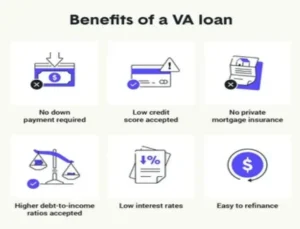
Pair that with the VA loan benefit, which requires no down payment and no private mortgage insurance, and you have a combination that makes homeownership genuinely accessible for a lot of military families who assume it is out of reach.
The VA home loan information page is the best place to understand the full benefit and eligibility requirements.
If you are still working out whether buying or renting makes more sense at your specific duty station, MilHousing has a rent vs buy guide written specifically for military families navigating that decision under PCS pressure.
On-Base vs Off-Base: What Bah Looks Like in Practice
On-base housing gives you predictability. Rent comes out of your BAH automatically and utilities are often included or capped. The trade-off is less choice in terms of floor plan, neighborhood, and sometimes housing quality depending on which company manages your installation.
Off-base gives you flexibility and potentially a surplus if you find the right place at the right price. You receive your BAH as cash, choose your own neighborhood, and keep anything left over after rent. The responsibility for utilities, lease terms, and maintenance coordination falls on you, but many families prefer having that control.
The MilHousing on-base vs off-base guide breaks down the comparison in real detail if you are still weighing the two.
Using Bah to Build Your Full Housing Budget
Your BAH covers more than just rent. Think of it as your total housing envelope covering rent or mortgage, utilities, renters or homeowners insurance, and any applicable fees.
A good rule of thumb that military families use is keeping rent at or below 90 percent of your BAH. That leaves enough margin to cover utilities without pulling from other income each month.

BAH works best when families treat it as a full housing budget, not just a rent or mortgage number.
The costs that tend to catch families off guard are the one-time move-in expenses. Security deposits, utility connection fees, and pet deposits do not come out of your monthly BAH but they hit your cash flow hard during a PCS when you are already managing moving costs. Planning for those upfront makes move-in week significantly less stressful.
The MilHousing PCS checklist covers the expenses most families underestimate and is worth bookmarking before your move date.
FAQs
Does BAH cover the full cost of rent?
It covers most of it. The DoD designs BAH to cover about 95% of median local housing costs so a small gap is normal in most markets.
What if my rent is less than my BAH?
You keep the difference as tax-free income. Use it however you want.
Does BAH change every year?
Yes, every January based on rental market surveys. Your rate stays fixed for the calendar year regardless of mid-year market changes.
What is the difference between BAH and OHA?
BAH covers stateside duty stations. Overseas Housing Allowance covers OCONUS assignments with different calculations for local currency and rental markets.
Does BAH count when I apply for a mortgage?
Yes, and military-experienced lenders typically gross it up by 15 to 25 percent because it is tax-free income.
Can my BAH change during a tour?
It changes if your dependency status changes, for example marriage or a new child, or when you PCS to a new installation.
Figure Out Your Housing Before the Deadline Does It for You
Your BAH is genuinely one of the most useful benefits the military provides and most families only realize how much it matters when they are already under PCS pressure and time is short.
Look up your number now at militarypay.defense.gov, plug it into your housing search, and give yourself the advantage of knowing what you are working with before you start making calls.
And if you want someone who knows your next duty station to walk through the housing picture with you, MilHousing Network is here for that. Free for military families, always. Reach out whenever you are ready.