
Veteran Home Loans and Homeownership Support for First Responders
Buying a home is one of the biggest financial goals for many people, but for veterans and first responders, that dream often comes with unique challenges. Thankfully, veteran home loans and dedicated housing programs now make owning a home more achievable than ever. Long shifts, modest salaries, and the demands of public service can make saving for a down payment or qualifying for a mortgage difficult.
There are powerful federal, state, and local programs designed specifically to help those who serve. From zero-down VA home loans to down payment grants for firefighters and nurses, these programs recognize the sacrifices made by veterans and first responders and make homeownership more attainable.
Why Specialized Housing Programs Exist for Heroes
Service members, veterans, and first responders face financial hurdles most civilians don’t. Extended deployments, frequent relocations, and occupational hazards can disrupt savings and employment stability. For police officers, EMTs, and teachers, income may not always keep up with housing market prices, especially in high-cost urban areas.
Specialized programs bridge that gap by offering affordable financing, lower interest rates, and even grants that never need to be repaid.
Common Challenges in Securing Affordable Housing
Even with support programs, many still struggle with:
- Rising home prices and limited inventory in desirable areas
- High credit score requirements for traditional loans
- Student loan or consumer debt that limits borrowing power
- Lack of awareness about existing programs
Understanding the right combination of benefits can make all the difference, especially when it comes to VA loans, first responder programs, and grant opportunities.
Top Benefits of Veteran Home Loans for Military Members
Eligibility Requirements for VA Loans
VA loans are one of the most powerful tools available to military members and veterans. To qualify, you must meet one of the following:
- You served 90 consecutive days of active service during wartime
- You served 181 days during peacetime
- You have at least six years in the National Guard or Reserves
- You’re a surviving spouse of a service member who died in the line of duty
Applicants must also obtain a Certificate of Eligibility (COE) from the Department of Veterans Affairs (VA.gov – COE Guide).
Key Advantages of VA Loans (No Down Payment, Low Interest)
VA loans offer several important benefits that make homeownership easier:
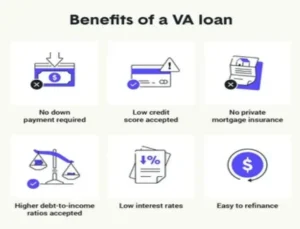
- No down payment required for most borrowers
- Competitive interest rates that are often lower than conventional mortgages
- No private mortgage insurance (PMI) requirement
- Flexible credit standards compared to traditional loans
These perks can save thousands of dollars upfront and over the life of the loan, making VA loans one of the most affordable ways for veterans to buy homes.
How to Apply for a VA Loan Step by Step
- Obtain your Certificate of Eligibility (COE) from the VA website or through your lender.
- Review your credit and finances, and reduce existing debt if possible.
- Choose a VA-approved lender who understands the program’s details.
- Get pre-approved to know how much house you can afford.
- Shop for a home that meets VA property requirements.
- Submit your offer and complete the appraisal.
- Close on your loan and move into your new home.
Best Home Loan Options for First Responders and Veterans
Programs Tailored for Firefighters, Police, EMTs, and Nurses
Unlike the VA loan, there isn’t one federal program specifically for all first responders, but several initiatives provide similar advantages. For example, the Good Neighbor Next Door program (HUD.gov) offers up to 50% off the list price of homes in revitalization areas for law enforcement officers, firefighters, EMTs, and teachers.
Some local municipalities and credit unions also provide hero home loans with low down payments, reduced fees, and flexible credit requirements.
FHA and Conventional Loan Options with Discounts
First responders who don’t qualify for a VA loan can explore FHA or Conventional loan options.
- FHA loans allow down payments as low as 3.5% and have easier credit qualifications.
- Conventional loans sometimes come with first responder discounts or preferred rates through specific lenders or unions.
It’s worth comparing offers since even a small reduction in interest rate can translate to thousands of dollars saved over time.
National and State Incentives for First Responders
Beyond federal programs, many state housing agencies and nonprofits offer first responder-specific aid. Examples include:
- State housing finance authority grants that cover closing costs
- Down payment assistance programs (DPA) for essential workers
- Employer-assisted housing programs in partnership with local governments
Your local housing authority or credit union is often the best starting point for finding these.
Housing Grants and Down Payment Assistance Programs
Federal Housing Grants for Veterans and First Responders
Federal options include:
- VA Specially Adapted Housing (SAH) Grant: Helps disabled veterans build or modify homes to meet accessibility needs (VA.gov – Disability Housing Grants).
- HUD’s Good Neighbor Next Door: Offers significant discounts on HUD homes (HUD.gov).
- USDA loans: Available for rural housing, often with no down payment required (USDA Rural Development – Single Family Housing Loans).
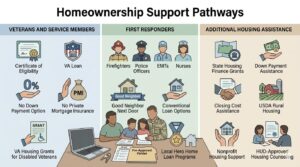
Veterans and first responders may have several homeownership paths, including VA loans, first responder programs, grants, down payment assistance, and housing counseling.
State and Local Programs That Reduce Upfront Costs
Many states run First-Time Homebuyer Grants and Closing Cost Assistance Programs, some targeted specifically to service members and first responders. These can range from $5,000 to $25,000, depending on your state and income level.
Nonprofit Organizations Offering Housing Support
Nonprofits like Homes for Heroes, Operation FINALLY HOME, and Habitat for Humanity’s Veterans Build program provide additional help, including reduced home prices, donated materials, or volunteer-built housing.
Affordable Housing Solutions for Heroes and Families
Rent-to-Own Options for Veterans and First Responders
Rent-to-own programs can help those not yet ready to qualify for a mortgage. They allow participants to live in a home while a portion of rent goes toward the eventual purchase price. This can be a useful stepping stone for improving credit and building savings.
Housing Support for Disabled Veterans and Families
Disabled veterans can access additional help through VA Special Housing Adaptation Grants and Temporary Residence Adaptation (TRA) programs, which cover costs of home modifications like ramps, wider doors, or accessible bathrooms.
Tips for Finding Military- and First Responder-Friendly Lenders
When shopping for a mortgage, look for:
- Lenders who advertise VA or hero loan experience
- Credit unions with first responder programs
- Lenders who waive origination or application fees
Always ask if the lender participates in local or federal assistance programs, since many do but don’t actively promote it.
Maximizing Benefits and Avoiding Mistakes
Common Mistakes When Applying for Loans or Grants
Avoid these pitfalls:
- Not comparing multiple lenders or grant programs
- Missing out on additional aid by not stacking benefits
- Overlooking closing costs, even when down payments are covered
- Applying for programs after purchasing the home (timing matters)
How to Combine VA Loans with Other Assistance Programs
Yes, you can combine a VA loan with other assistance programs such as state down payment grants, property tax exemptions, or energy-efficiency rebates. Just make sure your lender and grant administrator coordinate to avoid delays.
Working with Certified Housing Counselors
Certified housing counselors can help match you with the best local and national programs, ensure paperwork is correct, and prevent costly mistakes.
Conclusion and Next Steps
Checklist for Applying for Home Loans and Grants
- Verify eligibility (VA, FHA, first responder, or state programs).
- Gather required documents (service records, pay stubs, tax returns).
- Obtain your COE (for VA loans) or pre-approval letter.
- Research and apply for available grants or assistance programs.
- Choose a lender familiar with veteran or first responder programs.
- Complete the purchase process and confirm all benefits are applied.
Resources and Contacts for Ongoing Housing Assistance
- U.S. Department of Veterans Affairs: va.gov/housing-assistance
- HUD Good Neighbor Next Door: hud.gov/helping-americans/good-neighbor
- Homes for Heroes: homesforheroes.com
- USDA Rural Development: rd.usda.gov
- HUD-approved Housing Counselors: hud.gov/counseling
Bottom line
Whether you’re a veteran returning to civilian life or a first responder working long shifts to keep others safe, there are programs built to help you build stability and equity through homeownership. Knowing where to look and how to combine your benefits can make all the difference in turning that dream into reality.